
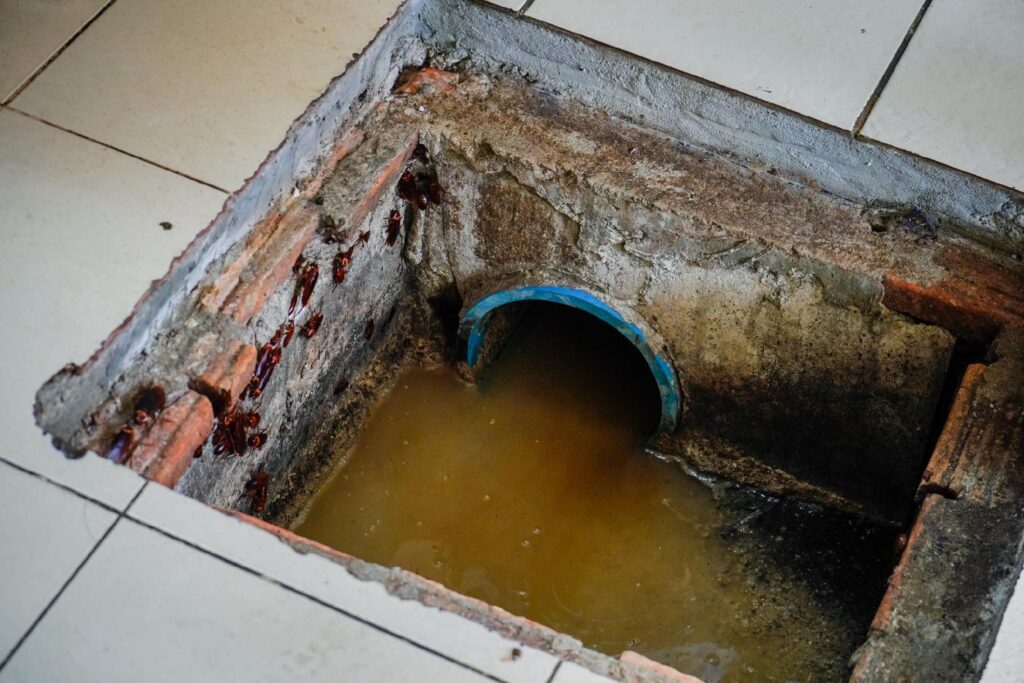
A sewer backup can cause property damage, unpleasant odors, and potential health hazards. When wastewater flows back into your home through drains, toilets, or other plumbing fixtures, immediate action can help protect your household. Here are some steps to take if you experience a sewer backup:
Stop Using Water Immediately
When a sewer backup occurs, avoid flushing toilets, running faucets, using showers, or operating washing machines and dishwashers. This can cause more wastewater to overflow into your living spaces. Inform everyone in your household to avoid using plumbing fixtures until a professional plumber has inspected the system.
Evacuate People and Pets
Sewer water may contain harmful bacteria, viruses, and other contaminants that pose health risks. Keep children, family members, and pets away from affected areas and avoid direct contact with wastewater and contaminated surfaces. If anyone experiences symptoms after exposure, seek appropriate medical care.
Prioritize Electrical Safety
Sewage-contaminated water can create dangerous conditions when it comes into contact with electrical outlets, appliances, or wiring. Never step into standing water if there are electrical hazards, nor attempt to unplug appliances in affected areas. If it is safe to do so from a dry location, switch off power to the affected area. Otherwise, contact a qualified electrician or your local emergency service for assistance.
Call a Professional Plumber
A sewer backup often indicates an underlying plumbing problem, such as a blocked sewer line, tree root intrusion, damaged pipes, or a municipal sewer issue. A professional plumber can identify the source of the problem and recommend the appropriate solution.
FAQ
What happens when sewage backs up?
A sewage backup can cause property damage, unpleasant odors, and potential health risks from exposure to harmful contaminants. If left untreated, it can damage flooring and belongings and contribute to mold growth, making prompt professional help essential.
What are the signs of a sewer backup?
Common signs include slow-draining sinks and tubs, gurgling sounds from drains or toilets, persistent sewage odors, and wastewater backing up into plumbing fixtures. You may also notice multiple drains clogging simultaneously or sewage overflowing onto basement floors.
How can you prevent a sewer backup in the basement?
Prevent basement sewer backups by scheduling regular plumbing inspections, avoiding flushing clog-causing materials, and keeping drains clear of debris. Consider installing a backwater valve and maintaining your sump pump to help protect from wastewater intrusion.
Contact Us at Trust Plumbing and Heating, LLC Today
Learning about these steps can help you stay safe during a sewer backup until a professional arrives. Trust Plumbing and Heating, LLC offers prompt services to restore your plumbing system. Contact our team to learn more about our sewer backup services in Maryland.