
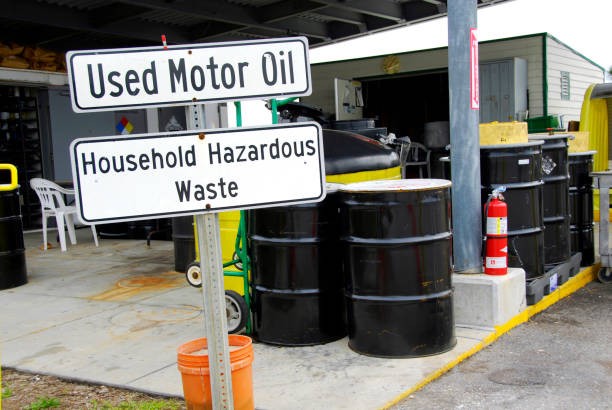
Many homeowners are unaware of the numerous everyday products that qualify as hazardous household waste (HHW). It includes items such as cleaning supplies, paints, and old electronic devices that contain substances harmful to health or the environment if discarded incorrectly. This article discusses the significance of proper HHW management, safe disposal methods, and common mistakes to avoid.
Why Should You Discard Waste Responsibly?
- Protects Health: Proper disposal prevents accidental exposure to harmful substances. Certain products release fumes and chemicals that can cause health issues when ingested, inhaled, or absorbed through the skin. Medical waste may also contain pathogens that cause infections or diseases.
- Prevents Fires: Some hazardous waste may ignite or combust when exposed to heat or incompatible substances. Only by handling them appropriately can you lower the risk of fires.
- Preserves Plumbing Integrity: Chemicals from HHW can accumulate and damage your plumbing system. For instance, some drain cleaners may corrode pipes when flushed down sinks, resulting in costly repairs later.
- Ensures Community Safety: Correct disposal helps protect sanitation workers and landfill employees from exposure to dangerous waste. Many local authorities also strictly regulate hazardous waste disposal processes to ensure public safety.
- Reduces Environmental Impact: If discarded carelessly, HHW can contaminate soil, water, and air, harming ecosystems and wildlife. Chemicals can leach from landfills and enter waterways, polluting drinking water supplies.
How To Discard Lethal Household Waste
Disposing of HHW is not as simple as dumping it in the trash. Below are safe and effective methods homeowners can use:
- Joining Collection Events: Many communities host collection programs where you can submit HHW for safe disposal. Some municipalities and retailers also set up permanent drop-off locations for specific types of HHW, such as paint, batteries, and oils.
- Participating in Take-Back Programs: Many manufacturers offer take-back programs for their products, allowing you to return items like electronics, batteries, and printer cartridges for disposal.
- Reusing and Recycling: You can take certain HHWs to local government units and facilities for recycling or repurposing, including batteries, electronic devices, solvents, and used oils.
Disposal Mistakes To Avoid
Beyond the correct methods, you must also remember what not to do. Avoid pouring hazardous chemicals, oils, or medications down sinks and toilets. They can damage plumbing components and contaminate public water systems, harming aquatic life.
Never mix leftover chemicals and hazardous waste in regular trash. They may end up in landfills and unsuitable disposal sites, resulting in health and environmental problems.
Also, don’t discard it in garbage disposal devices, which are intended for food scraps only. Doing so can impair and contaminate the unit, raising serious health concerns.
Conclusion
Proper waste disposal may seem like a small task, but it has a huge impact. By doing it responsibly, you can safeguard your family, the community, and the environment. Take action now and contact Trust Plumbing and Heating, LLC for expert guidance, plumbing solutions, or garbage disposal unit repair.