
Water heaters are essential for your daily activities and comfort at home. When it’s time to replace them, the choice often comes down to a traditional tank or a tankless heater. Here’s how they work:
- Tank Heater
This large, insulated tank stores and continuously heats 40 to 80 gallons of hot water. It also maintains a set temperature, so it’s ready when you need it. However, once the water has been used up, the tank may take time to refill and reheat. - Tankless (On-Demand) Heater
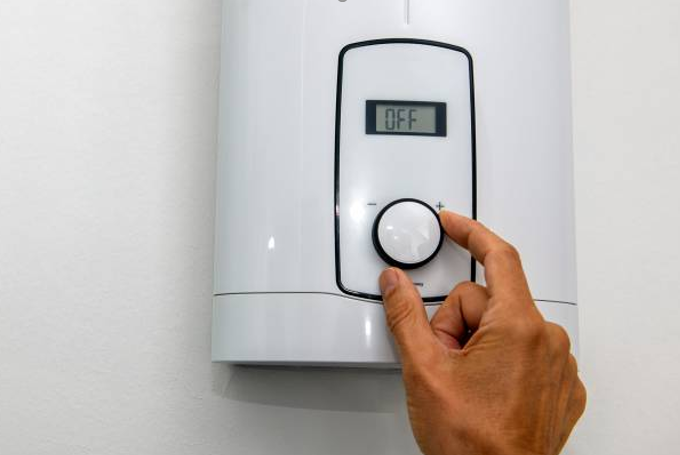
This model only heats water when needed. When you turn on the tap, cold water passes through a heat exchanger and is warmed instantly. While it offers endless hot water, you need the right unit size to handle your home’s water usage.
Both supply your home with hot water, albeit in different ways. If you’re unsure which to choose, let’s compare their pros, cons, and other considerations.
Energy Efficiency
Tank systems tend to consume more power because they continuously warm water—even when unused. In contrast, tankless water heaters only operate when taps and other appliances are running, making them remarkably energy-efficient. They are especially valuable for households that use moderate amounts of hot water every day.
Upfront Costs and Long-Term Savings
Traditional tank systems are generally low-cost upfront. Their installation process is straightforward, too, contributing to its affordability. Contrarily, tankless models have higher initial investments. Installing them may also involve upgrading plumbing, electrical, or gas systems, adding to the total cost. Despite the high cost, tankless types often result in lower long-term energy bills by eliminating the need to heat water round-the-clock.
Maintenance and Lifespan
With proper care, tank heaters last 10–15 years, while tankless models can last over 20 years. Both systems require regular maintenance. This includes flushing to remove sediment, replacing the anode rod to prevent corrosion, and descaling to prevent mineral buildup.
Tankless heaters, especially in areas with hard water, need annual or biannual descaling. However, their fewer moving parts often translate to infrequent long-term performance issues and longer lifespans.
Space Requirements
Space is another factor to consider. Traditional tank models are often large and need a dedicated space. Because of that, they’re often placed in basements, expansive utility rooms, or garages. Conversely, tankless models are compact, making them ideal for closets, small utility rooms, and other tight spaces.
Do note that space requirements vary per model and regional code. Proper clearance and ventilation on all sides, overhead, and underneath (for wall-mounted heaters) are also paramount to ensure safety.
Find the Best Fit for Your Home
Tank and tankless water heaters have distinct benefits. A tank system is ideal if you want low costs and a simple setup. But if you value energy efficiency and long-term performance, a tankless model is worth considering. The best choice ultimately depends on your household’s size, hot water usage, space, and budget. For expert recommendations and hassle-free water heater installation, contact Trust Plumbing and Heating, LLC.